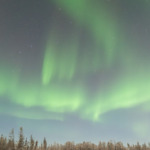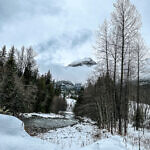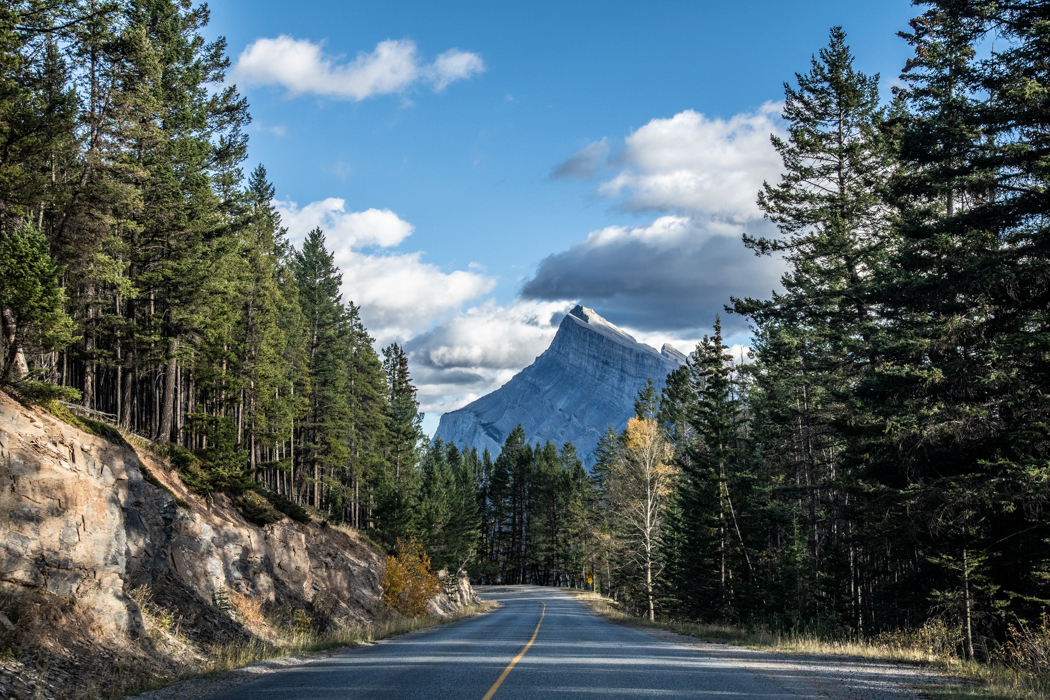
1,336 kilometers. That was all it took.
Somewhere along the Trans-Canada Highway, I found what I’d been looking for – peace, consciousness, and a reconnection with something interior that the noise of ordinary life has a way of burying. People walk the Camino de Santiago for that kind of clarity. I drove through the Canadian Rockies. The destination of the soul, I’ve come to believe, matters less than the sincerity of the seeking.
I drove. I photographed. I breathed air that felt genuinely clean in a way that registers in the body before it registers in the mind. Each kilometer gave something back.
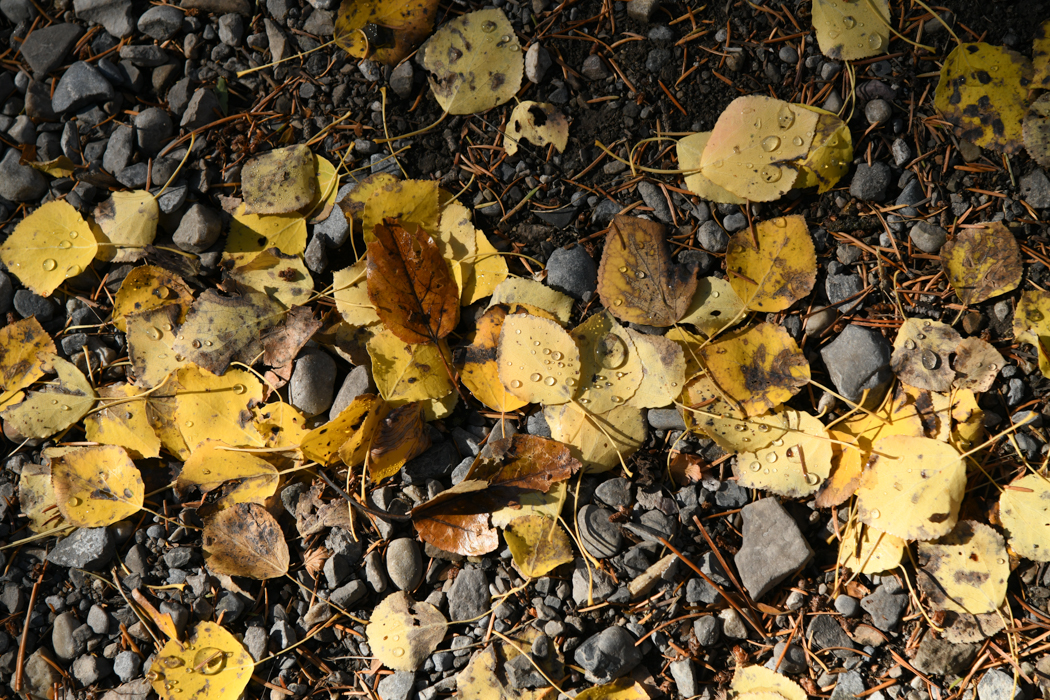
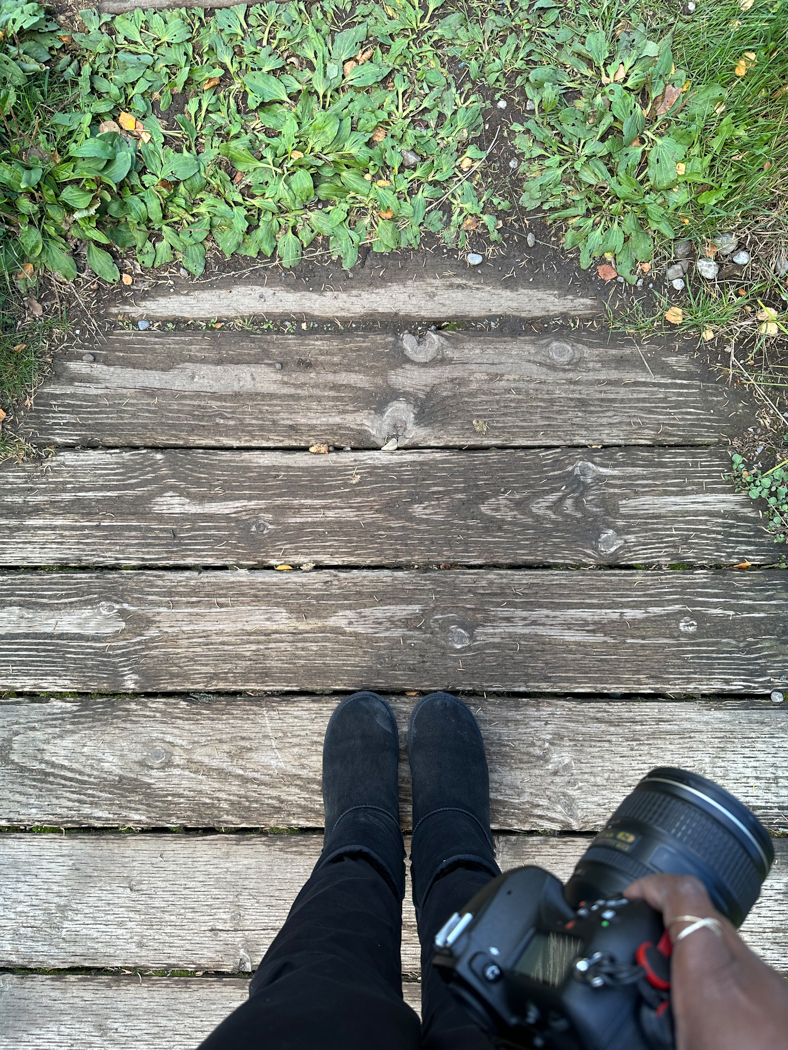
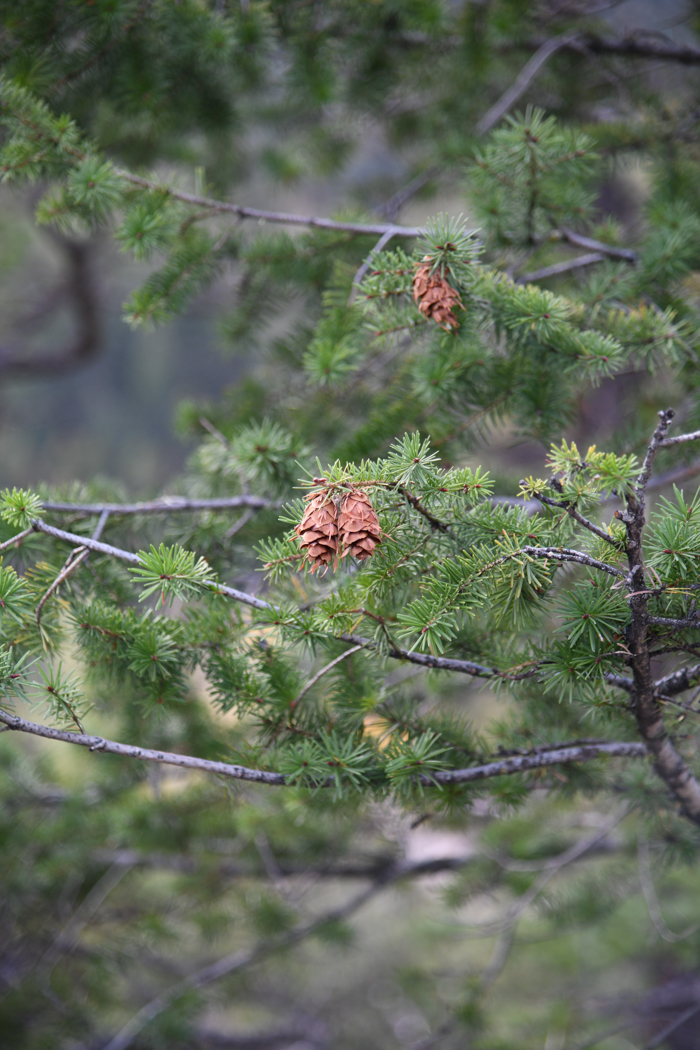
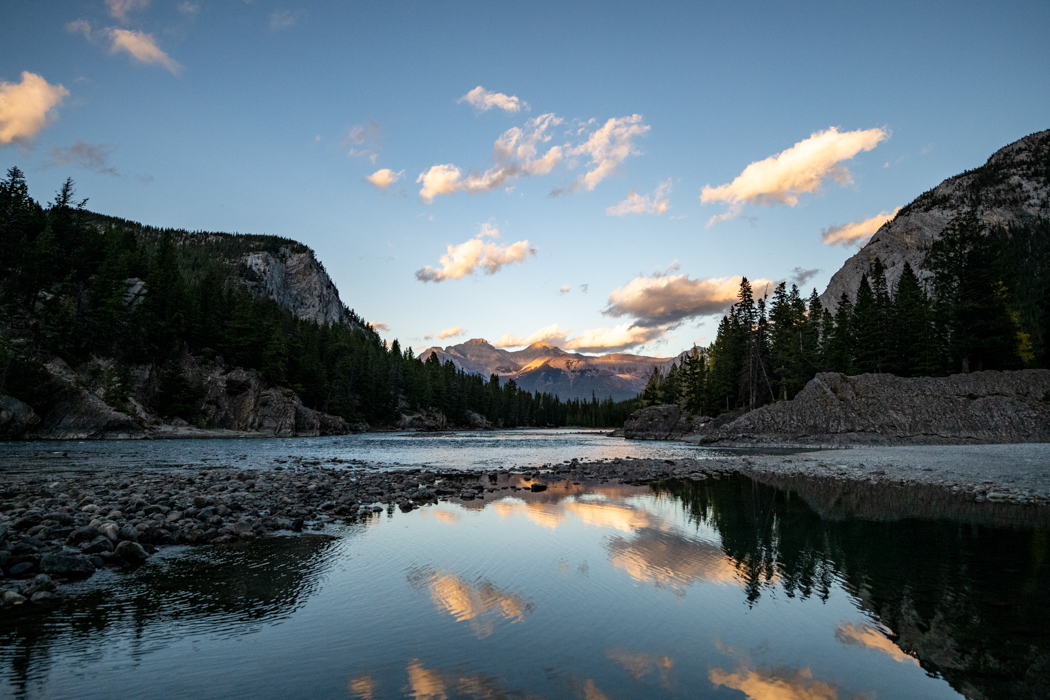
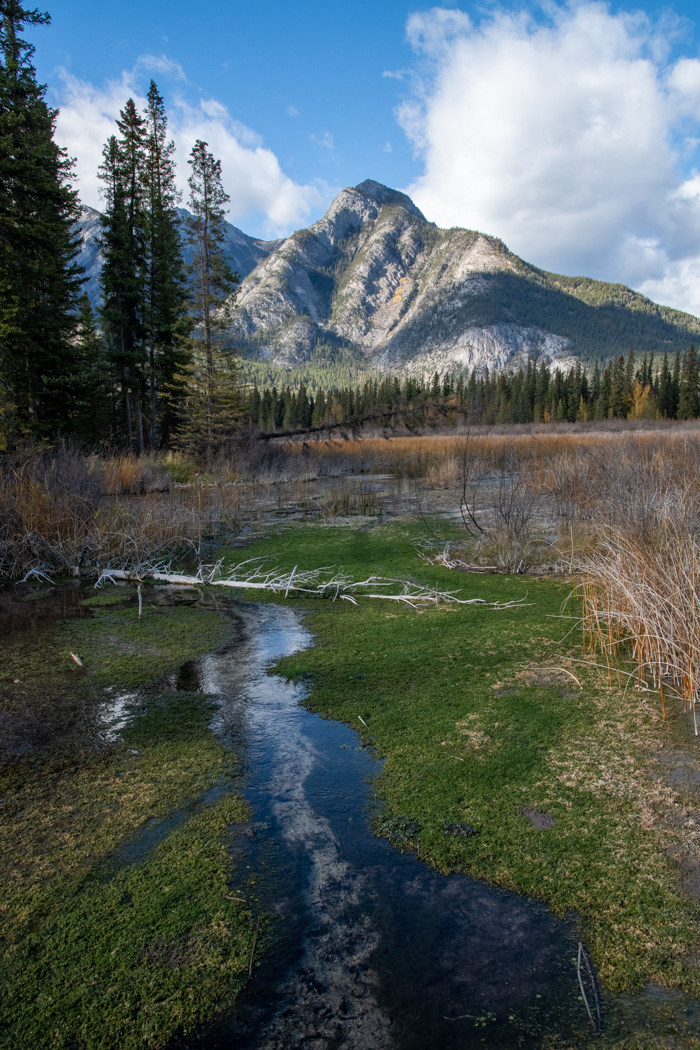
Jasper National Park stopped me in a way that’s difficult to articulate without reaching for language that risks sounding inadequate to the experience. Standing in the presence of rock formations over 300 million years old has a particular effect on the ego – it quietly dissolves it. The mountains don’t care about your timeline, your ambitions, your unread messages. They have been here through extinctions and ice ages and the slow collision of continents. You are passing through. That realization, rather than being diminishing, felt like an extraordinary gift.
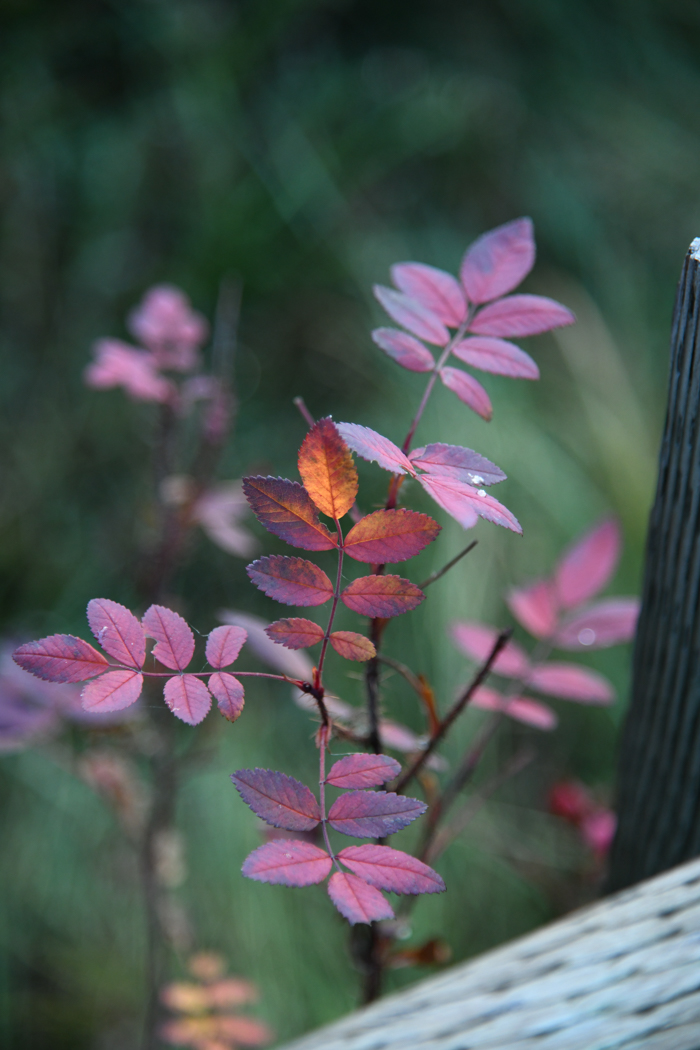
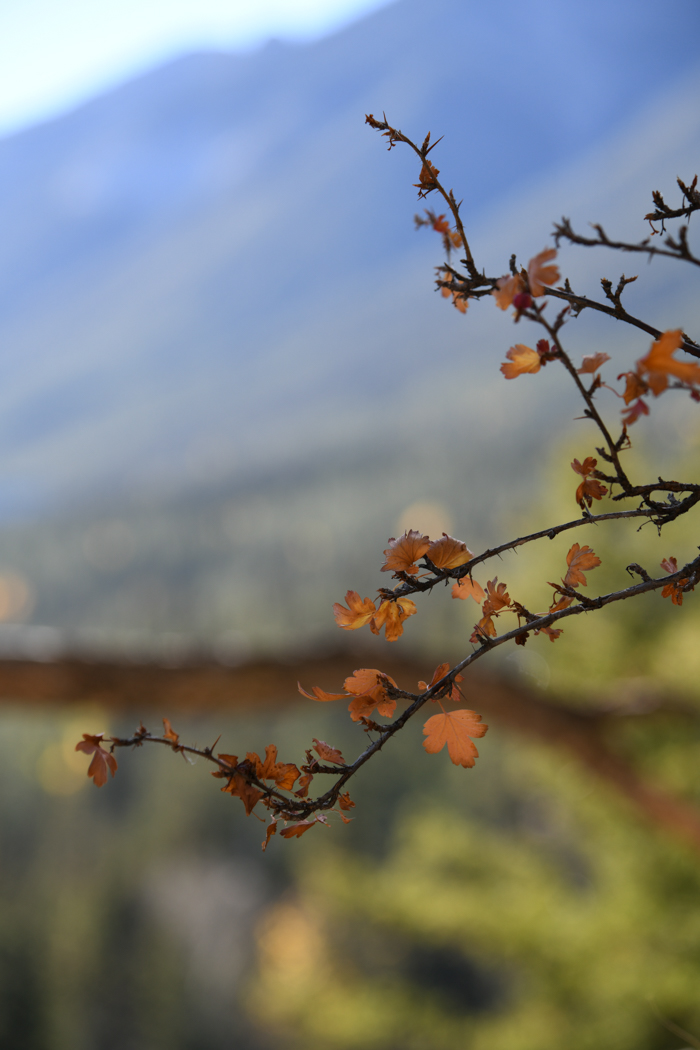
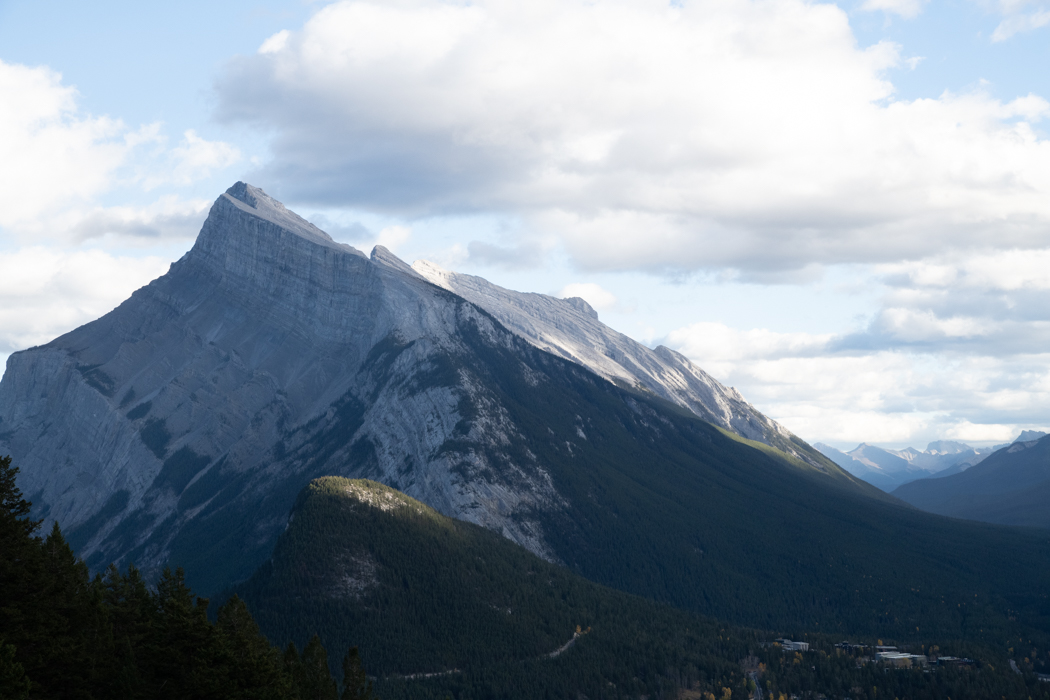
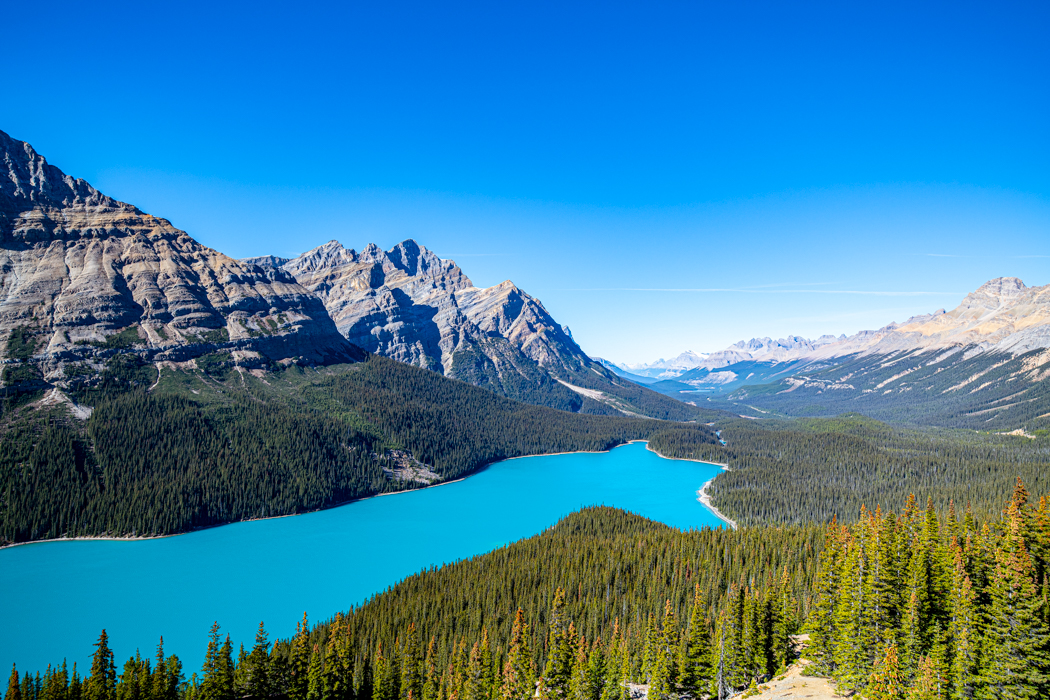
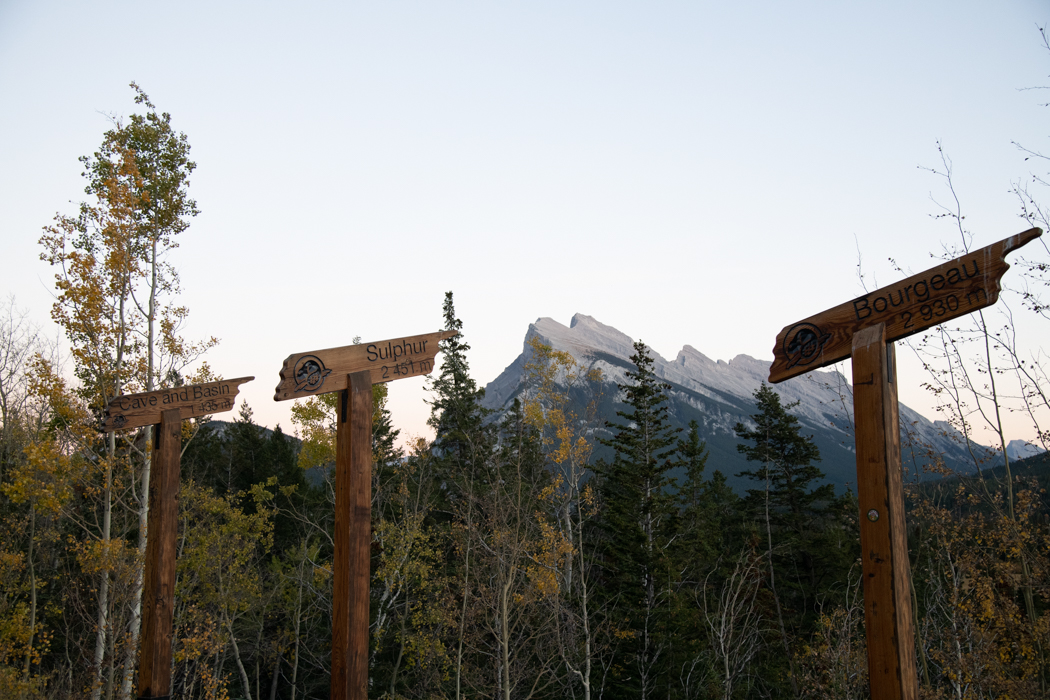
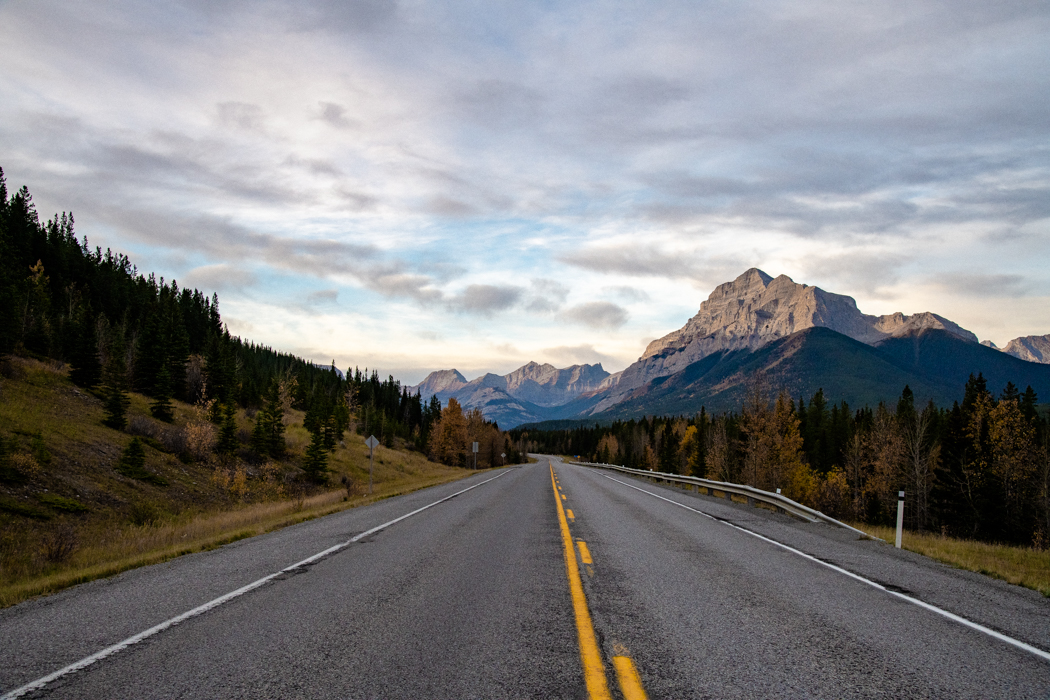
The drive itself was elevated immeasurably by the GyPSy Guide Canadian Rockies National Park and Icefields Parkway audio tour, which accompanied me through stretches of highway that might otherwise have passed in silent awe alone. Through it, I learned about the homesteaders who once tried to carve lives out of this terrain, the Indigenous tribes whose relationship with this land runs incomparably deeper than any settler history, the significance of particular lookout points, and where to pull over for photographs that do at least partial justice to what you’re seeing.
Listening to that history while moving through the landscape it described created a layered experience – the visual and the historical folding into each other in real time.
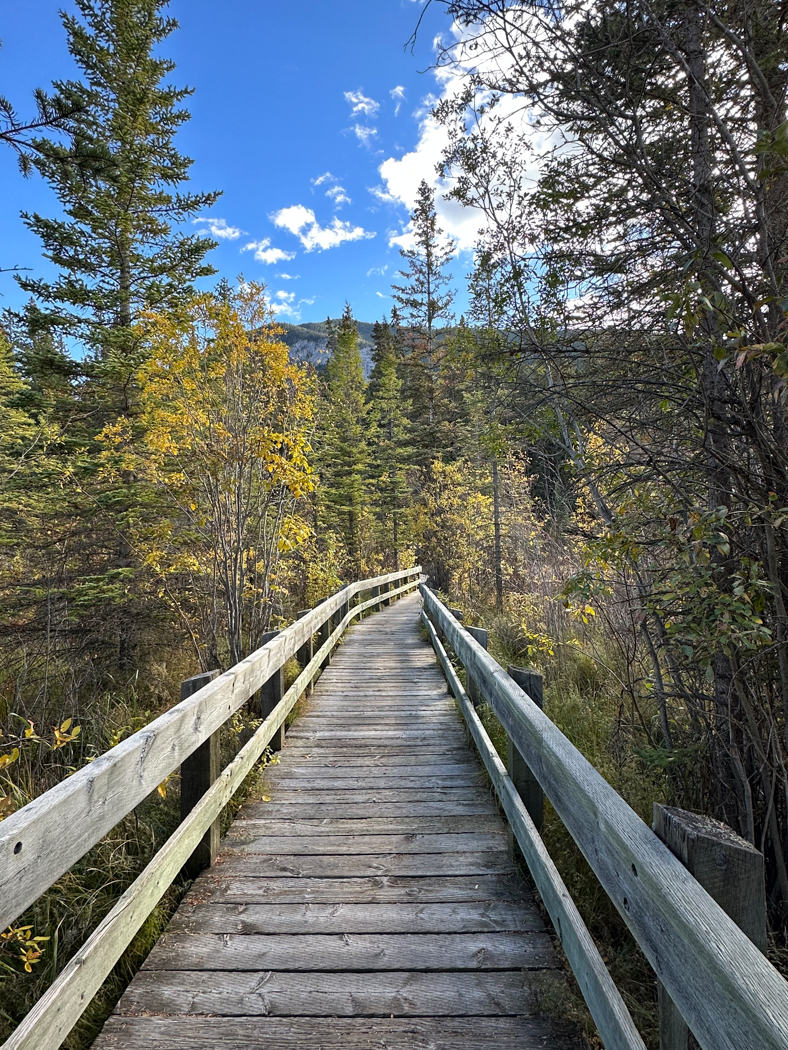
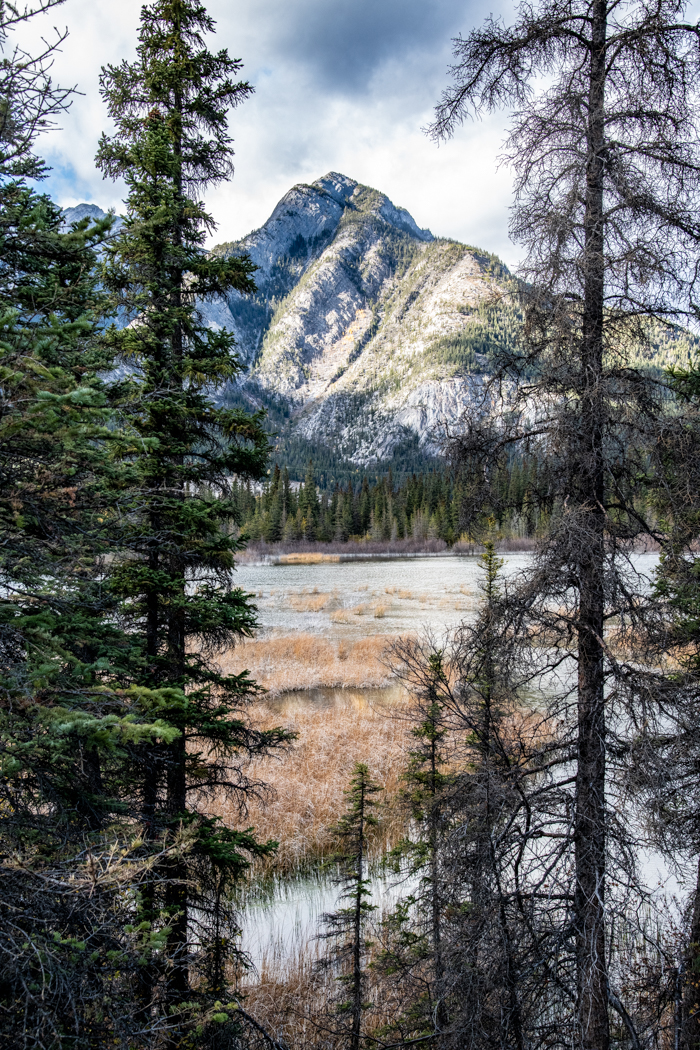
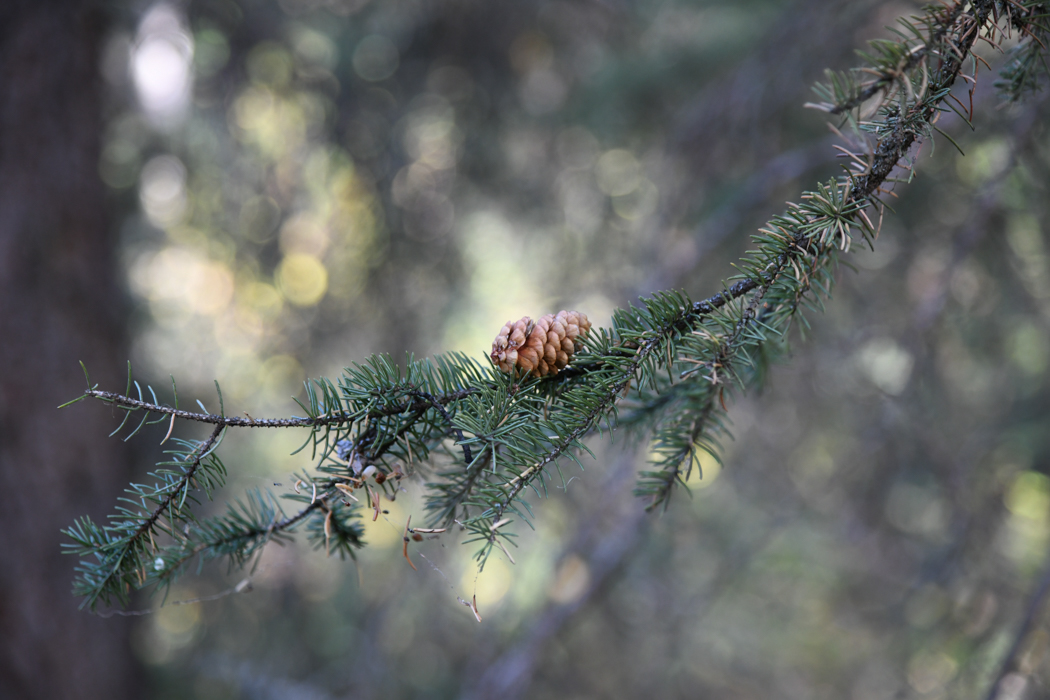
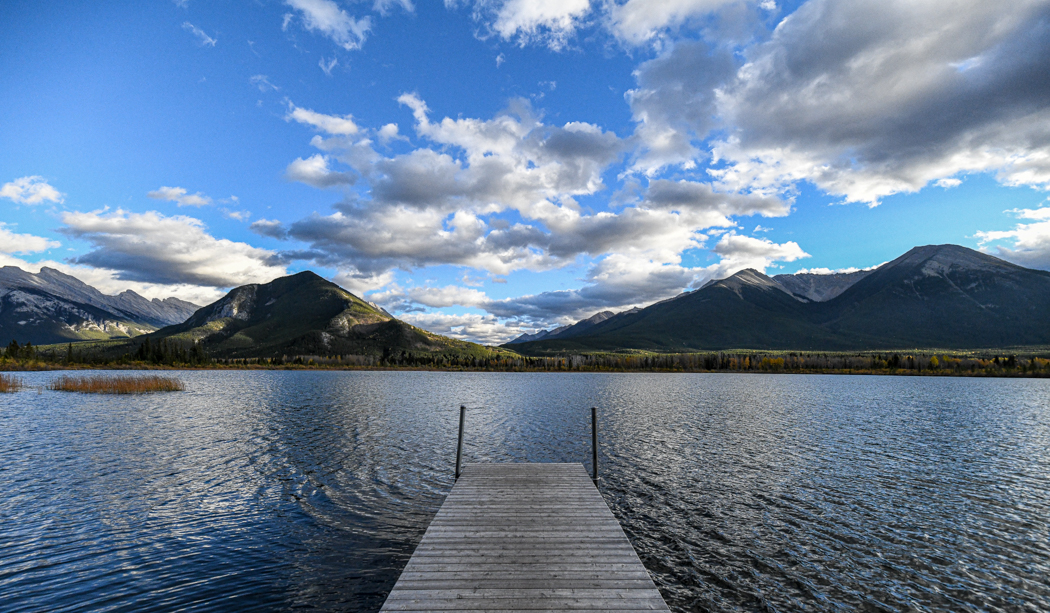
And I was not lost on the contrast between my experience and theirs. I was navigating all of this in a comfortable SUV on well-maintained highways, climate controlled and caffeinated. The people who came before – Indigenous peoples, early explorers, settlers – crossed this same terrain on horseback, often through deep snow, without the infrastructure, the safety nets, or the certainty of what lay ahead. The gratitude I felt for modern ease was genuine and not uncomplicated.
What the Canadian Rockies ultimately offered me was something I hadn’t known I needed until I was inside it: a reminder that the Earth is still astonishing. Still vibrant. Still, in many of its most essential qualities, a mystery that no amount of scientific explanation fully resolves. Its brilliance isn’t diminished by understanding – if anything, knowledge deepens the wonder.
I was immensely thankful for the modern ease of driving an SUV on well maintained highways instead of what people used to endure, riding a horse in deep snow over the terrain.
I relished the magic of this visually astonishing Earth. Its brilliance, vibrance and immaculate creation is still full of mystery.
I missed the friendship I grieved. But, I would be okay.